
Wealth Growth and Sustainability: Investing in a Green Future
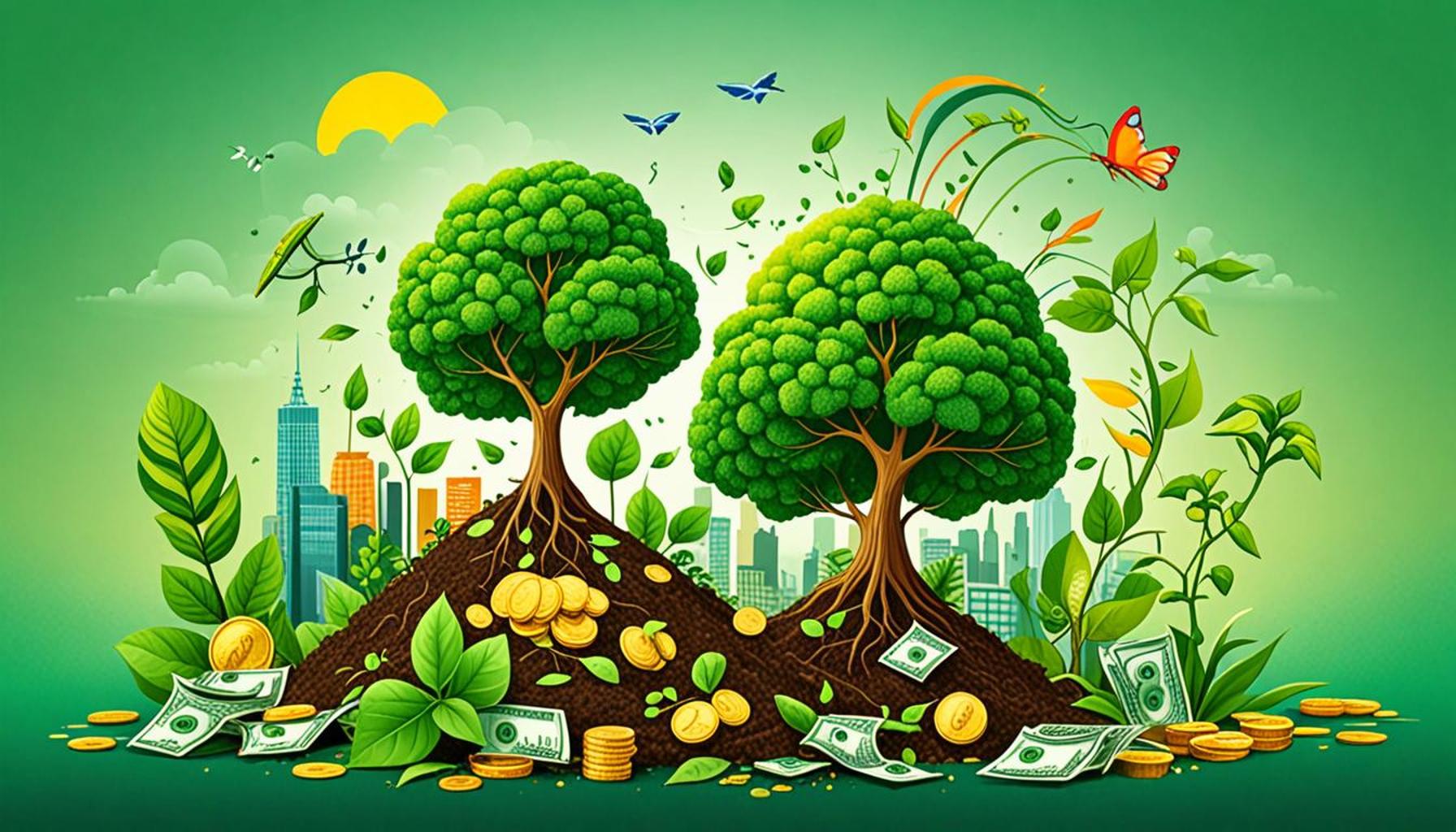
Understanding the Importance of Sustainable Investing
The growing climate crisis is urging individuals and businesses to rethink their financial strategies. Investing in sustainable practices can not only mitigate environmental impact but also drive wealth growth. In the U.S., where consumer preferences are shifting towards eco-friendly options, a green future offers both ethical and financial advantages.
As increasing awareness around climate issues prevails, many are recognizing that sustainability and financial performance are not mutually exclusive. The potential for market growth in the green sector is staggering. The global green market is projected to surpass $20 trillion by 2025, an indicator that industries aligned with environmental sustainability are ripe for investment. For instance, sectors like renewable energy, electric vehicles, and waste management are seeing unprecedented levels of investment and innovation.
Moreover, shifting consumer demand plays a pivotal role in shaping the business landscape. Approximately 75% of millennials are willing to pay more for sustainable products, which is reshaping how companies strategize their offerings. Brands like Tesla and Beyond Meat have thrived by aligning their products with eco-conscious values, proving that sustainability resonates with consumers and is good for business.
The Role of Government Incentives
In addition to market dynamics, government incentives significantly bolster the sustainable investing landscape. Policies promoting green technologies often come with enticing tax breaks and funding opportunities designed to propel adoption. For example, U.S. federal tax credits for solar energy installations can reduce the overall cost for homeowners, while states like California and New York are investing in expanded clean energy initiatives. These incentives lead to increased investments in sustainability, as consumers and businesses can recoup their costs through benefits and long-term savings.
Long-Term Benefits of Sustainable Investing
Integrating sustainability into investment portfolios offers numerous long-term benefits. One critical factor is risk mitigation; sustainable companies are often more resilient to market fluctuations, showing that aligning with ethical practices can lead to stability. For example, firms prioritizing environmental and social governance (ESG) factors tend to withstand crises better than their traditional counterparts.
Furthermore, data suggests that better returns can be realized through ESG investing, which can outperform conventional investments. A 2021 study by MSCI found that ESG funds consistently delivered higher returns than non-ESG counterparts, indicating that investing responsibly is not just a moral decision but a wise financial strategy.
Lastly, the positive impact of investments in sustainable agriculture, renewable energy, and other eco-friendly sectors contributes to a healthier planet. By focusing on investments that prioritize environmental and societal benefits, investors are playing a role in creating a sustainable future.
As the dialogue surrounding climate change evolves, the intersection of wealth growth and sustainability becomes increasingly paramount. Understanding the financial implications of going green not only benefits individual portfolios but also helps contribute to a more resilient economy and environment. Engaging in this crucial discourse, investors and consumers alike can promote a brighter future while enhancing their financial well-being.
DISCOVER MORE: Click here for your ultimate cleaning guide
Evaluating the Financial Landscape of Green Investments
As the focus on environmental sustainability intensifies, investors are increasingly positioned to benefit from the transition to a low-carbon economy. The emerging field of sustainable finance underscores that making investments with a conscience can yield substantial financial returns. Individuals and institutions willing to pivot toward green investments are not merely engaging in responsible capitalism; they are tapping into a market poised for exponential growth.
The shifting dynamics of investment trends reveal that practical environmental concerns are converging with lucrative business opportunities. According to a report by the Global Sustainable Investment Alliance, sustainable investments reached approximately $35.3 trillion globally in 2020, representing a 15% increase from the previous year. An increasing number of funds are dedicating themselves to ethical investing, higher demand for green assets coupled with robust government regulations aims to tilt the market more firmly toward sustainability.
Key Sectors Driving Sustainable Wealth Growth
Understanding where to direct investments is crucial for reaping financial rewards while supporting a greener future. Here are some prominent sectors that are leading the charge in sustainable wealth growth:
- Renewable Energy: The renewable energy sector, which includes solar, wind, and hydropower, has seen record investments. The U.S. Energy Information Administration projects that solar energy will supply nearly 20% of the nation’s electricity by 2040, making it an appealing target for investors.
- Electric Vehicles (EVs): With major automakers committing to transitioning fleets to electric by 2030, and the growing infrastructure for EV charging stations, this sector is experiencing an unprecedented boom. The EV market is expected to reach $802.81 billion by 2027, driven by technological advancements and consumer demand.
- Sustainable Agriculture: Innovations in farming techniques, such as hydroponics and organic farming, are yielding sustainable food sources that align with health and environmental priorities. Increasing investment in this sector not only supports food security but also addresses climate pressures.
- Green Building and Infrastructure: As cities become smarter and more sustainable, investments in green construction methods and materials are crucial. From eco-friendly building designs to low-impact urban developments, the potential for high returns on investment is notable.
In each of these sectors, emerging technologies are encouraging efficiency and reducing environmental footprints, thus creating lucrative investment opportunities. Governments and private sectors are recognizing the cross-sectionality of economic growth and sustainability, providing fertile ground for innovation and investment.
Furthermore, companies operating within these sectors are increasingly prioritizing transparency regarding their environmental impacts. Consumers and investors alike are demanding accountability, leading to a rise in sustainability reporting and corporate responsibility initiatives. This transparency not only boosts consumer trust but also attracts a broader base of investors keen on supporting ethical practices and reaping the financial benefits.
In summary, aligning investments with sustainability is becoming more than just a moral obligation; it is a strategic financial decision that capitalizes on emerging markets. As investors navigate this evolving landscape, the combined forces of consumer demand, governmental support, and the urgent need for an ecological shift offer a promising pathway for wealth growth and a sustainable future.
DISCOVER MORE: Click here to learn about the power of cleaning routines!
Green Investment Strategies for the Future
As the landscape of finance evolves, investors are presented with a rich tapestry of strategies tailored to harness the benefits of green investing. These strategies not only focus on short-term gains but also emphasize long-term sustainability, ensuring that wealth growth aligns with ecological well-being.
Impact Investing
A burgeoning trend in green investment is impact investing, which refers to investments made with the intention to generate measurable social and environmental impact alongside a financial return. This sector has drawn considerable interest among millennials and generations Z, who increasingly prioritize sustainability. Recent data from the Global Impact Investing Network reveals that global impact investing assets surpassed $715 billion in 2020, signifying a substantial shift toward investments that resonate with personal values.
In the United States, initiatives such as the Green Climate Fund aim to support projects that combat climate change, fostering opportunities for investors to contribute directly to environmental resilience while reaping financial rewards. By backing companies and projects that are committed to social and environmental objectives, investors not only aid in societal progression but also position themselves to capitalize on initiatives likely to receive governmental and philanthropic support.
Exchange-Traded Funds (ETFs) and Green Bonds
For those looking for diversified exposure to green investments, Exchange-Traded Funds (ETFs) focused on sustainable companies provide an accessible entry point. These funds track various indices composed of businesses that meet certain environmental, social, and governance (ESG) criteria. With the proliferation of green ETFs—such as the iShares Global Clean Energy ETF or the Invesco Solar ETF—investors can easily tailor their portfolios to align with their sustainability goals while minimizing risk through diversification.
Additionally, green bonds, which are fixed-income securities specifically earmarked to raise funds for environmental projects, have gained significant traction. According to the Climate Bonds Initiative, green bond issuance reached $269.5 billion in 2020, a clear indicator of the growing faith in these financial instruments. By investing in green bonds, individuals not only support projects ranging from renewable energy to sustainable infrastructure but also secure fixed returns associated with traditional bond investing.
Emerging Technologies and Innovations
The acceleration of emerging technologies in sectors such as energy storage, electric mobility, and carbon capture is another fertile ground for impactful investment. Innovations like battery technology enhancements promise to make renewable energy more reliable and accessible. For example, companies like Tesla and ChargePoint are leading the charge in electric mobility and networked charging solutions, creating a rapidly expanding market forecasted to grow exponentially.
The adoption of intuitive software platforms that optimize resource management in industries from agriculture to manufacturing is further increasing operational efficiency and reducing waste. These advancements create fresh opportunities for investment and the growth of a green economy, benefitting not just the bottom line but also the health of the planet.
As investors navigate these dynamic strategies, they find that the convergence of finance and sustainability offers a vast array of avenues to explore. With every dollar allocated toward green initiatives, individuals not only invest in their financial future but also contribute to a collective movement that champions a sustainable world, an initiative that resonates deeply within an increasingly environmentally-conscious society.
DISCOVER MORE: Click here for expert tips on closet organization
Conclusion: Charting a Sustainable Path Forward
As we venture into the future, the intersection of wealth growth and sustainability unfolds a promising landscape for investors. The shift toward green investing signifies not just a financial evolution but a vital pivot towards planetary stewardship. By integrating environmental, social, and governance (ESG) criteria into investment strategies, individuals and institutions alike can play a pivotal role in addressing pressing global challenges, such as climate change and resource depletion.
The surge in impact investing, the rise of targeted Exchange-Traded Funds, and the burgeoning market for green bonds are reshaping how capital flows into our economies, emphasizing sustainability as a core tenet of financial prudence. As sectors like renewable energy and technology continue to advance, investors are positioned not only to achieve robust returns but also to foster a transformative impact on their communities and the environment.
Moreover, the commitment to sustainability opens up avenues for innovation—the renewable energy sector alone is projected to expand significantly as public and private sectors collaborate to develop essential infrastructures. This creates a new realm of investment opportunities geared toward emerging technologies that promise to revolutionize efficiency and reduce waste, offering a dual benefit of profit and progress.
Ultimately, investing in a green future empowers individuals to align their financial goals with their values, paving the way for a sustainable and prosperous world. By embracing this approach today, we are not just securing wealth for ourselves but ensuring a legacy for generations to come. As more investors recognize the importance of sustainability, they contribute to an economic narrative where wealth and the health of our planet go hand in hand, creating a unified vision for a thriving future.
Related posts:
The Impact of Startups and Entrepreneurship on Wealth Growth in the USA
The Impact of Technology and Digital Finance on Wealth Growth
The Role of Startups in Wealth Growth: Innovations that Transform the Market
Investment Strategies to Maximize Wealth Growth in the Current Scenario
Wealth Growth in Low-Income Communities: Challenges and Opportunities
The Role of Fiscal Policies in Wealth Growth in the United States

Linda Carter is a writer and financial expert specializing in personal finance and financial planning. With extensive experience helping individuals achieve financial stability and make informed decisions, Linda shares her knowledge on our platform. Her goal is to empower readers with practical advice and strategies for financial success.