
Growth of Wealth and Inequality: Analyzing Social and Economic Consequences
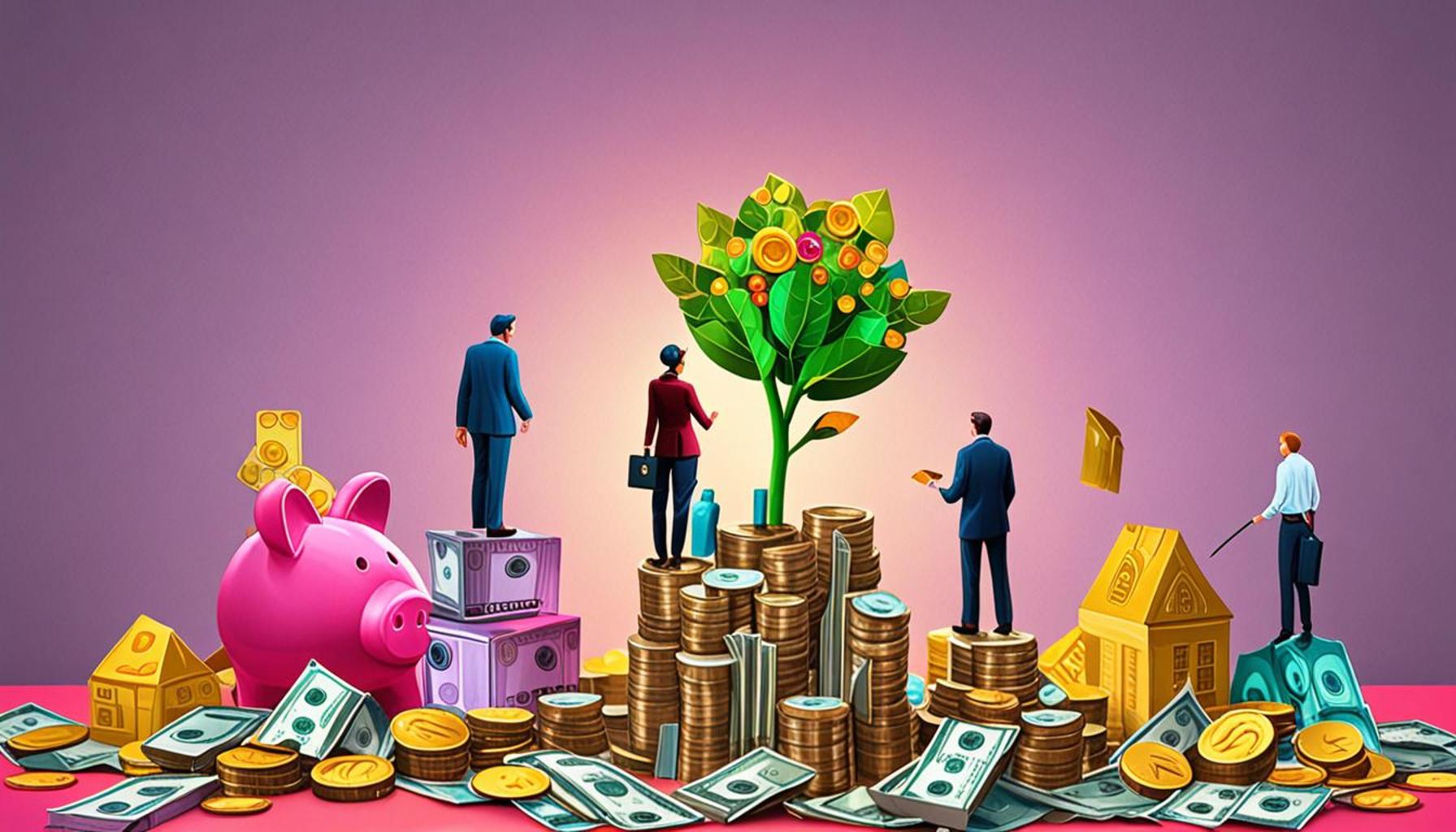
The Transformation of Wealth Distribution in the U.S.
In the wake of advancing technology and globalization, the distribution of wealth in the United States has experienced profound changes that raise critical concerns regarding economic equity and societal wellbeing. The stark contrasts in wealth accumulation underscore growing disparities that uproot traditional notions of the American Dream — the idea that anyone can succeed through hard work and determination.
Statistics Highlighting Wealth Concentration
Analyzing recent data paints a vivid portrait of wealth concentration in the nation. The top 1% of earners now command nearly 40% of the nation’s wealth, a statistic that is more than just a figure; it represents a fundamental shift in the distribution of resources. In contrast, the bottom 50% of earners collectively own less than 2% of total wealth. This scenario is alarming when considering that income inequality levels are now the highest since the roaring twenties. In essence, while the richest individuals and families thrive, half of the U.S. population grapples with stagnating wages and economic hardship.
Consequences of Wealth Inequality
This escalating wealth gap bears significant repercussions that extend beyond individual circumstances. Increased poverty rates now impact millions of Americans, with estimates suggesting that nearly 11.4% of the U.S. population lives below the poverty line. This economic strain leads directly to reduced access to education, leaving a substantial portion of young Americans without the tools needed for upward mobility. Additionally, high poverty levels limit access to essential healthcare services, exacerbating health outcomes and reducing overall quality of life.
Moreover, the social discord that often accompanies such disparities poses a risk of political instability. Numerous protests and movements have emerged in response to economic injustices, highlighting widespread calls for systemic reform. The demand for change underscores an urgent need to address these inequalities to ensure a more stable society.
Exploring Solutions and Policy Implications
Understanding the dynamics of wealth concentration opens the door for a broader discussion about effective policy implications that could alleviate these disparities. Proposals such as progressive taxation, increased minimum wage, and investments in public services have gained traction as potential solutions. Engaging in informed discourse is essential, as stakeholders from various sectors seek to dialogue on promoting a fairer distribution of resources.
In conclusion, the landscape of wealth in the United States not only raises questions about individual prosperity but also about the foundational fabric of society itself. The quest for a more equitable environment not only benefits those at the bottom of the economic ladder but strengthens the overall potential for sustainable growth, innovation, and harmony within communities.
DIVE DEEPER: Click here to learn more about the benefits of steam cleaning</a
The Dynamics of Wealth Creation and Its Consequences
The substantial growth of wealth in the United States over the past few decades has unfolded a complex narrative of economic opportunity and systemic inequities. While the stock market has soared and real estate values have climbed, the benefits of this wealth generation have not been distributed evenly across the populace. In fact, certain demographic and socio-economic groups have enjoyed disproportionate advantages, compelling us to revisit the structural factors that contribute to wealth accumulation.
Dissecting the Sources of Wealth Accumulation
The growth of wealth has been predominantly fueled by several key factors:
- Investment Opportunities: The rise of technology firms and financial markets has created vast new avenues for wealth accumulation, particularly benefiting those who are already financially literate and have capital to invest. Early investors in companies like Apple or Amazon have reaped enormous rewards, widening the gap between savvy investors and those unable to participate in the market.
- Real Estate Boom: As urban areas continue to grow, property values have skyrocketed, contributing significantly to wealth accumulation for homeowners. However, this real estate surge has also priced out many aspiring buyers, solidifying the divide between homeowners and renters.
- Education and Skills Gap: The correlation between higher education and income levels remains strong. Individuals with advanced degrees typically secure higher-paying jobs, further enhancing their wealth. Yet, access to quality education is often limited for lower-income families, perpetuating cycles of inequality.
Impact on Economic Mobility
The implications of these trends on economic mobility are profound. Recent studies indicate that only about 4% of Americans born into the bottom income quintile manage to rise to the top quintile by adulthood. This statistic starkly illustrates how entrenched wealth can hinder the aspirations of those striving for better circumstances. In parallel, the long-standing belief in the meritocratic ethos—that anyone can achieve success through hard work—has been increasingly challenged by the realities of systemic barriers and unequal opportunities.
Furthermore, as wealth becomes more concentrated, the gap between rich and poor also affects entire communities. Regions with high inequality often experience a decline in social cohesion, which can lead to diminished trust in institutions and increased crime rates. This societal fracture poses a considerable challenge for policymakers as they strive to maintain stability and foster an environment conducive to growth.
Indeed, the economic landscape is shifting in a way that requires urgent attention and thoughtful solutions. Addressing the nuances of wealth creation and the inequality that follows it is not merely an economic imperative—it’s a social one that impacts the future trajectory of the nation.
DON’T MISS OUT: Click here for budget-friendly cleaning tips
Wealth Concentration and Its Societal Ramifications
The growing concentration of wealth has profound implications not only for individual aspirations but also for societal structures as a whole. As the wealth gap widens, the risks associated with socio-economic polarization increase, leading to a host of challenges that can stymie innovation and progress. A closer examination reveals how this trend influences not just the economy, but also governance, public health, and social cohesion.
The Role of Political Influence in Wealth Accumulation
Wealth concentration often translates into significant political power. High-net-worth individuals and corporations can leverage their resources to influence policymaking, shaping legislation that frequently favors their interests. A poignant example is the proliferation of lobbying efforts in Washington D.C., where it’s reported that over $3.4 billion was spent on lobbying in 2022 alone. This spending creates a feedback loop—policies that favor the wealthy subsequently lead to further wealth accumulation, thereby entrenching economic disparities. The result is an environment where the voices of average citizens may be overshadowed by the interests of a privileged few.
Effects on Public Services and Social Safety Nets
Wealth inequality also impacts funding for critical public services, including education, healthcare, and infrastructure. As wealth becomes more concentrated, those in lower income brackets may see diminished investment in their communities. For instance, schools in affluent areas typically receive more funding through local property taxes, perpetuating an education quality gap. According to a 2021 report, schools serving the wealthiest districts receive nearly three times the funding of those in poorer neighborhoods, which significantly affects students’ long-term prospects.
Health Disparities Linked to Economic Inequality
Additionally, economic inequality has ramifications for public health. Research demonstrates that neighborhoods plagued by poverty often experience higher rates of chronic illnesses and lower life expectancy. The Centers for Disease Control and Prevention (CDC) reports that individuals in the lowest income brackets have a life expectancy that is nearly 10 years shorter than their wealthier counterparts. Limited access to healthcare services, nutritious food, and safe living conditions exacerbates this issue, leading to a cycle of poor health that can hinder economic mobility for generations.
The Psychological and Social Consequences of Inequality
The psychological impact of economic disparity is another critical dimension to consider. Studies suggest that individuals in communities marked by high inequality often experience increased levels of stress, anxiety, and social distrust. The sense of disconnection from one’s community can erode social bonds, leading to higher crime rates and decreased civic participation. A notable statistic reveals that neighborhoods with greater income inequality report a 43% increase in violent crimes, aggravating the precariousness of life for lower-income residents.
This disintegration of social cohesion highlights a paradox of wealth accumulation: as some thrive, entire communities can suffer from the fallout of inequality. Policing these trends and understanding their interconnectedness is essential for fostering a healthier and more equitable society.
DISCOVER MORE: Click here for essential tips
Conclusion: The Path Forward in Addressing Inequality
The growth of wealth and its subsequent concentration within a small segment of the population presents a formidable challenge for society. As we have explored, the ramifications of this phenomenon extend beyond financial disparities, impacting governance, education, public health, and social cohesion. The $3.4 billion invested in lobbying by the wealthy is not merely a statistic; it reflects a systemic imbalance that influences policies, potentially curtailing the voices of average citizens in favor of elite interests.
The effects of inequality permeate critical public services, demonstrating that schools in affluent neighborhoods often receive three times the funding compared to those in less wealthy areas. This educational divide forecasts diminished economic opportunities for future generations, creating a vicious cycle that stifles innovation and entrepreneurial spirit. Additionally, the stark health disparities faced by lower-income communities—and their shorter life expectancy—underscore the urgent need for equitable healthcare access.
As we consider the psychological impact, it is clear that the stress and mistrust fostered by economic inequality erode the very fabric of society. To navigate this increasingly polarized landscape, it is crucial for policymakers, businesses, and communities to work collaboratively towards solutions that promote equity. Initiatives aimed at fair taxation, investment in public services, and community engagement can help bridge the divide. Understanding the intricate web of consequences wrought by wealth concentration is not only vital for mitigating its effects but also essential for building a healthier and more vibrant economy for all. The call to action is clear: we must reimagine the systems in place and advocate for changes that foster inclusivity and opportunity across society.
Related posts:
The Differences in Wealth Growth Among Generations in the United States
Wealth Growth in Times of Crisis: Opportunities and Challenges for Investors
The Role of Startups in Wealth Growth: Innovations that Transform the Market
Sustainable Investments: How to Align Wealth Growth and Social Responsibility
The Role of Technology and Innovation in Wealth Growth in the United States
Wealth Growth in Low-Income Communities: Challenges and Opportunities

Linda Carter is a writer and financial expert specializing in personal finance and financial planning. With extensive experience helping individuals achieve financial stability and make informed decisions, Linda shares her knowledge on our platform. Her goal is to empower readers with practical advice and strategies for financial success.