
Impact of Inflation on Income Management: How to Protect Your Investments
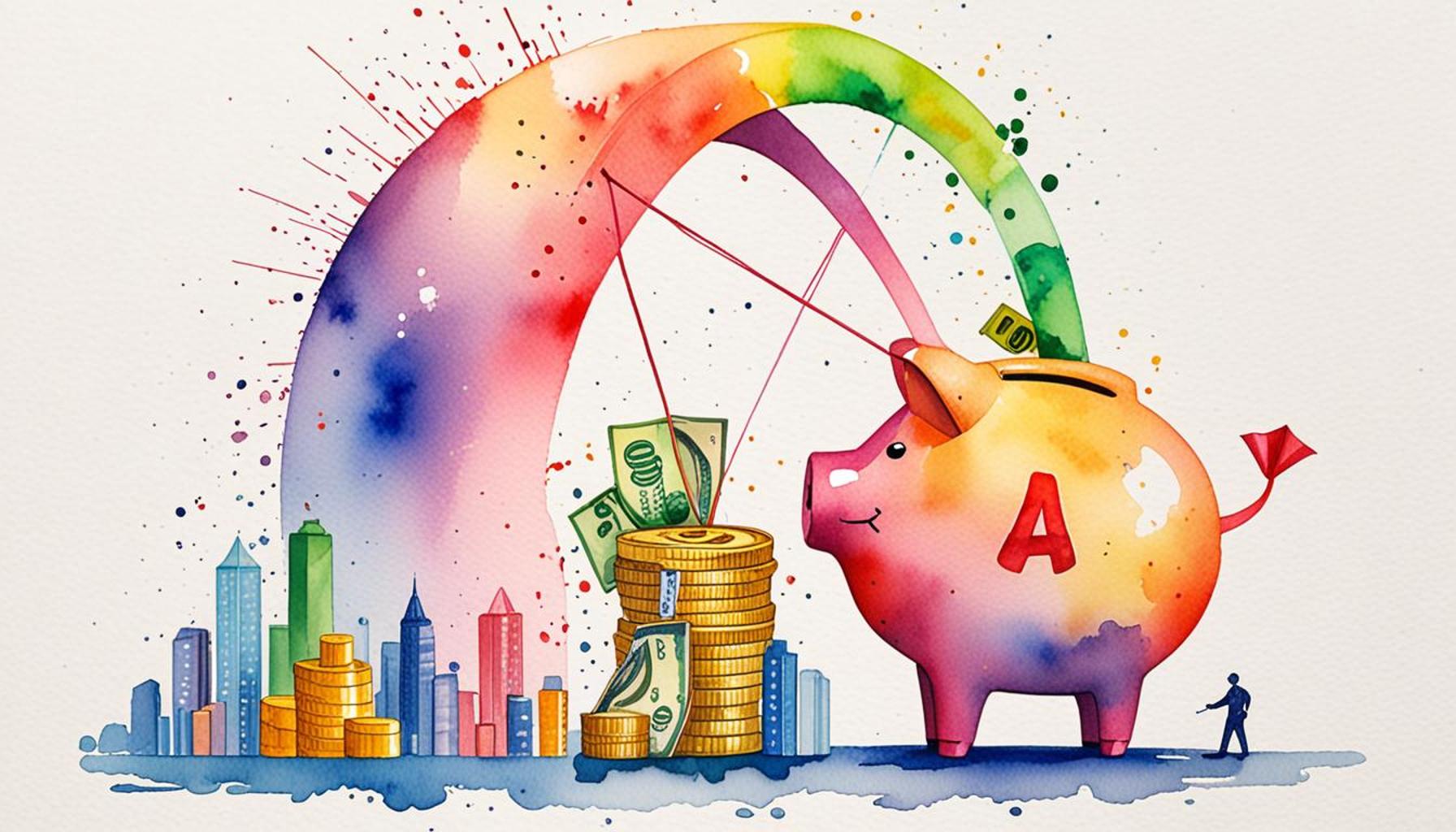
The Impact of Inflation on Personal Finance
Inflation acts as an undercurrent in the economy, subtly influencing how individuals manage their finances. As prices escalate, maintaining a consistent standard of living can feel increasingly elusive, compelling consumers to reassess their spending and saving habits. The ramifications of inflation extend beyond fleeting price spikes; they reshape the very fabric of personal finance, often requiring strategic adjustments to secure financial stability.
Purchasing Power Decline
One of the most evident effects of inflation is the decline in purchasing power. Simply put, as inflation rises, the value of the dollar diminishes, which means that consumers can buy less with the same amount of money than they could in previous years. For instance, if you could buy a gallon of milk for $3 last year, and due to inflation, it costs $3.50 this year, your $3 has effectively lost value. Over time, this culminates in a significant impact on household budgets, making it critical to explore ways to maintain purchasing power.
Investment Risks
Inflation poses distinct risks to investments, particularly for those relying heavily on fixed-income securities such as bonds. These investments provide regular income, often at a fixed rate. However, if inflation outpaces these returns, investors may find their real returns dwindling. For example, if you hold a bond yielding 3% interest, but inflation sits at 4%, your actual purchasing power is decreasing. Thus, it’s vital for investors to adjust their portfolios to include assets that can potentially outpace inflation, including stocks or real estate, which historically offer hedge against inflationary pressures.
Wage Stagnation
Another pressing issue tied to inflation is wage stagnation. Although some workers experience salary increments, many find their earnings remaining flat or not keeping pace with the rising cost of living. For instance, if a worker in the service industry received a modest raise of 2%, but inflation surged to 5%, the real-world purchasing power of that wage decrease appears stark. This discrepancy can lead to increased financial strain, necessitating a reevaluation of household budgets and expenditure priorities.
Strategies for Navigating Inflation
In the face of rising prices, adopting effective financial strategies is essential to bolster your resilience against inflation. Consider diversifying your portfolio: this means spreading investments across different asset classes such as stocks, commodities, and real estate. Each has its own risk and reward profile and can react differently to inflationary pressures. Additionally, you might explore inflation-protected securities, such as Treasury Inflation-Protected Securities (TIPS), which are designed to increase in value as inflation rises, thereby protecting your investment’s value.
As you navigate these challenges, remember that enhancing your financial knowledge plays a crucial role in empowering decision-making. The landscape of inflation can be complex, but understanding its effects on your earnings and savings will help you develop strategies to mitigate its impacts. By remaining informed and proactive, you can take charge of your financial future—even in uncertain times.
DISCOVER MORE: Click here to learn about the power of plants in your home</p
Understanding Inflation’s Ripple Effects on Income Management
The notion of inflation often feels abstract, yet its tangible effects on individuals’ income management strategies cannot be overstated. As inflation persists, households face the challenge of reconciling their current income with escalating expenses. This reality necessitates a reexamination of traditional budgeting practices and investments to avert a decline in financial well-being.
The Real Cost of Living Adjustments
Many companies provide cost of living adjustments (COLA)</strong) to employees to combat the pressures of inflation, but these adjustments may not always keep pace with the actual inflation rate. For instance, if the Consumer Price Index (CPI) shows an inflation rate of 4% annually, but wage increases average only around 2%, employees are left reeling from a decrease in their purchasing power. An employee earning $50,000 a year with a 2% raise would see an increase of just $1,000, while the cost of living could increase by $2,000. This situation underscores the growing importance of actively managing personal finances to bridge the gap between income and necessary expenses.
Adapting Budgeting Techniques
With inflation affecting everyday expenses, it’s essential to reevaluate and adapt household budgets. Here are some practical techniques to help you navigate rising costs:
- Prioritize Essential Spending: Allocate budgets based on necessities such as housing, food, and healthcare. Keep discretionary spending within limits as prices rise.
- Review Subscriptions and Services: Often, households accumulate subscriptions they no longer utilize. Identifying and eliminating these can free up funds for core expenses.
- Negotiate Bills: Don’t hesitate to contact service providers to inquire about better rates or discounts. Sometimes, simply expressing a desire for savings may lead to more favorable terms.
The Importance of Building an Emergency Fund
Inflation can lead to unforeseen expenses, making an emergency fund more crucial than ever. Ideally, an emergency fund should cover three to six months’ worth of living expenses. This “safety net” allows families to navigate financial shocks, such as unexpected medical bills or car repairs, without derailing long-term financial plans. Furthermore, consider keeping this fund in an account that at least offers interest rates that keep pace with inflation, thereby preserving your purchasing power.
Investing with Intent
As inflation erodes the value of cash, it is critical to reassess your investment strategy. Long-term investments typically outperform inflation, but not all asset classes offer the same level of protection. For instance, while real estate often appreciates over time, traditional savings accounts may yield little more than nominal interest rates. Investors should consider diversifying their portfolios to include:
- Stocks: Historically, stocks have delivered higher returns compared to inflation over the long haul.
- Commodities: Resources such as gold and oil can act as hedges during inflationary periods.
- Real Estate: Property tends to appreciate over time, often exceeding inflation rates.
In conclusion, as inflation shapes the landscape of personal finance, awareness and proactive management are imperative. By understanding the impact of inflation on income management and implementing effective strategies to shield your investments, you can create a more resilient financial future.
LEARN MORE: Click here for insights on eco-friendly cleaning
Strategies for Protecting Your Investments in an Inflationary Climate
For many investors, the fear of inflation can prompt reactive financial behavior. However, understanding the nuances of inflation can empower individuals to take calculated, proactive steps in safeguarding their investments. Rather than retreating to cash or traditional savings accounts, savvy investors can explore a variety of strategies that align with their long-term financial goals.
Diversifying Investment Portfolios
The principle of diversification remains one of the most effective means to mitigate risks associated with inflation. By spreading investments across various asset classes, investors can protect themselves from the volatility of any single market segment. In addition to equities and real estate, consider incorporating:
- Inflation-Protected Securities: Treasury Inflation-Protected Securities (TIPS) are government bonds designed to offer protection against inflation. The principal value of TIPS increases with inflation and decreases with deflation, ensuring that the investor’s purchasing power remains intact.
- Infrastructure Investments: Investing in infrastructure projects or Real Estate Investment Trusts (REITs) that focus on infrastructure can provide stable cash flows, usually linked to inflation, thereby enhancing overall returns.
- Emerging Markets: Investing in developing economies can yield impressive growth; many emerging markets are less correlated with U.S. economic cycles and may thrive during times of inflation.
Adopting a Strategic Asset Allocation Approach
For many investors, understanding how to adjust asset allocation in response to inflation is crucial. A strategic approach is to reassess the target allocations within a portfolio periodically. According to financial experts, in a high-inflation environment, shifting towards a greater allocation in equities can yield better long-term results. Studies show that equities tend to outperform inflation over extensive periods, making them a vital piece of an investment strategy.
Investing in Commodities and Alternative Assets
Commodity investments often serve as a hedge against inflation due to their intrinsic value. For instance, agricultural products and precious metals typically increase in price when inflation rises. Commodities can be accessed through various investment vehicles, such as:
- Commodity ETFs: Exchange Traded Funds focused on commodity sectors allow easy access to a diversified basket of commodities, reducing the risks associated with investing individually in raw materials.
- Cryptocurrencies: Although highly volatile, some view cryptocurrencies like Bitcoin as an alternative store of value, particularly during inflationary times. They can serve as a modern-day hedge against currency devaluation, despite the need for careful consideration and risk tolerance assessment.
Reviewing Your Investment Timeline
Understanding the timeline for investments is essential, especially in an inflationary environment. Investors locked into long-term, fixed-income investments may see diminished returns as inflation rises. Financial advisors recommend regularly reviewing investment horizons and being open to adjusting strategies based on life changes and economic forecasts. Short-term goals might require liquidity and lower risk, while long-term goals can focus on growth and inflation hedging.
In essence, protecting investments against inflation requires a multifaceted approach that adapts to the unique economic landscape. By remaining informed and strategically adjusting asset allocation, tightening personal budgets, and seeking diverse investments, individuals can bolster their financial resilience and future prosperity in the face of rising prices.
DISCOVER MORE: Click here to learn about effective organization strategies
Conclusion
In a landscape where inflationary pressures seem to be an ever-present concern, understanding how inflation impacts income management is more crucial than ever. Investors who remain vigilant and responsive are better equipped to protect their financial assets and preserve their purchasing power. The key takeaway from our exploration is the importance of diversification—a strategy that not only mitigates risks associated with any single investment avenue but also opens doors to new opportunities. By incorporating inflation-protected securities, infrastructure investments, and emerging market equities into their portfolios, individuals can create a robust defense against the corrosive effects of rising prices.
Furthermore, a proactive approach to asset allocation allows investors to make informed decisions based on current economic conditions, thereby enhancing potential returns in inflationary periods. The inclusion of commodities and alternative assets like cryptocurrencies can also serve as valuable hedges, but they demand careful consideration and a solid understanding of the inherent risks.
Ultimately, the journey of protecting your investments against inflation is not just about responding to immediate challenges—it’s about fostering a mindset of adaptability and foresight. Regularly reviewing your investment timeline and adjusting strategies in line with both personal goals and market dynamics can yield significant benefits in the long run. By taking these proactive steps, investors can position themselves not merely to survive during inflationary periods but to thrive, ensuring their financial futures are secure and prosperous.

Linda Carter
Linda Carter is a writer and financial expert specializing in personal finance and financial planning. With extensive experience helping individuals achieve financial stability and make informed decisions, Linda shares her knowledge on our platform. Her goal is to empower readers with practical advice and strategies for financial success.